
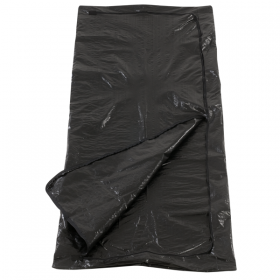
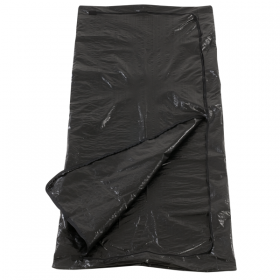
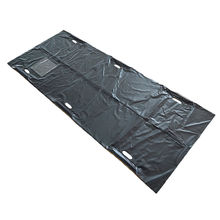
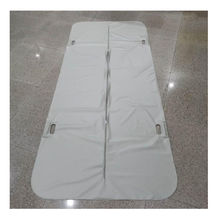
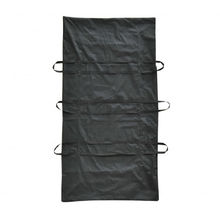
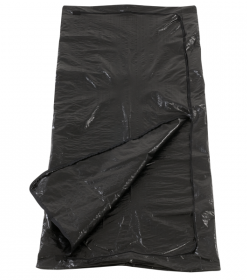
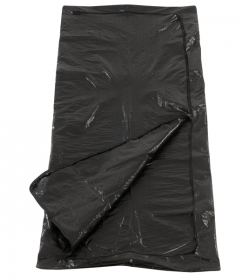
Body bags, also called human remains pouches, come in several types. Each type fits a different situation such as hospital use, disaster response, or long term storage.
Standard PVC body bag
• Material: PVC plastic
• Thickness: 8 to 12 mil
• Zipper: straight or U shape
• Handles: 4 to 8 carry handles
• Use: hospitals, mortuaries, funeral homes
Heavy duty disaster body bag
• Material: reinforced PVC or polyethylene
• Thickness: 12 to 20 mil
• Handles: 6 to 10 strong webbing handles
• Use: disaster response, mass casualty events, rescue teams
Biodegradable body bag
• Material: biodegradable plastic or plant based polymer
• Decomposition: breaks down naturally in soil
• Use: environmentally sensitive burials
Child or infant body bag
• Size: smaller dimensions
• Material: PVC or polyethylene
• Use: pediatric hospitals and mortuaries
Extra large bariatric body bag
• Size: wider and longer than standard
• Capacity: 200 to 350 kg or more
• Use: larger bodies in hospitals or disaster management
Aluminum foil laminated body bag
• Material: multilayer foil laminate
• Features: odor barrier and fluid resistance
• Use: forensic transport and decomposition control
Military or tactical body bag
• Material: heavy nylon or reinforced PVC
• Handles: many lifting points
• Use: military recovery operations
Water recovery body bag
• Material: heavy waterproof PVC
• Features: reinforced seams, extra handles
• Use: marine recovery operations
Freezer compatible body bag
• Material: cold resistant plastic
• Features: prevents cracking in mortuary freezers
• Use: morgues and long term cold storage
Typical standard size
• Length: about 210 to 220 cm
• Width: about 80 to 100 cm
If you want, I can also give you
• standard specifications hospitals request in South Africa
• materials and thickness used in government tenders
• supplier manufacturers you can source from.